
Wegovy · Ozempic · GLP-1 · Newnan, GA
Semaglutide for weight loss.
A once-weekly GLP-1 injection that quiets appetite and helps you eat less, prescribed and monitored by Dr. Roger Eduardo, MD, FASMBS. FDA-approved, branded medicine only.
Medically reviewed by Dr. Roger Eduardo, MD, FASMBS, Board-Certified General Surgeon. Last reviewed August 2026.
Book a consultation →What is semaglutide?
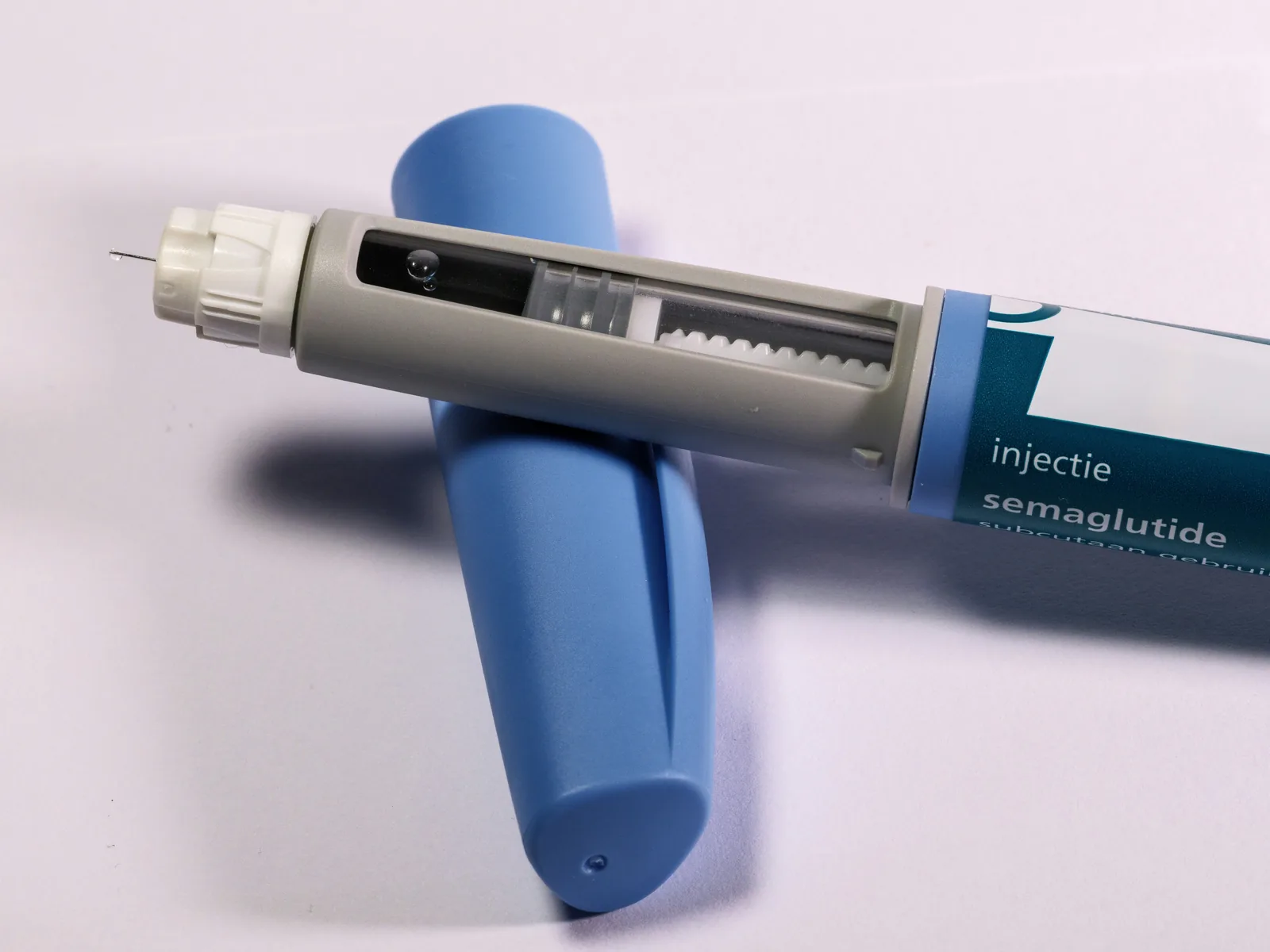
Semaglutide is a once-weekly injectable GLP-1 receptor agonist, sold as Wegovy (approved for weight management) and Ozempic (approved for type 2 diabetes, used off-label for weight loss). It copies a natural gut hormone that reduces appetite and slows how fast your stomach empties, so you feel full sooner and longer, and eat less without constant hunger.
At Omnia Health, semaglutide is one tool inside a supervised program, paired with nutrition coaching and physician follow-up, not handed out in isolation.
Wegovy · Ozempic · oral semaglutide
Same molecule, different names.
Wegovy, Ozempic and the oral Wegovy tablet are the same active drug, semaglutide, from the same maker. What changes is the FDA label, the dose and the form. Wegovy is approved for weight management; Ozempic is approved for type 2 diabetes and used off-label for weight; the tablet is the same molecule in a daily pill. If weight loss is the goal, Wegovy is the version built and dosed for it. We prescribe branded, FDA-approved semaglutide only, never compounded.
| Attribute | Wegovy | Ozempic |
|---|---|---|
| Active ingredient | Semaglutide | Semaglutide (identical molecule) |
| FDA-approved for | Chronic weight management; lowering cardiovascular risk | Type 2 diabetes |
| Maximum dose | 2.4 mg weekly (7.2 mg Wegovy HD, 2026) | 2.0 mg weekly |
| Avg. weight loss (trial) | ~15% over 68 weeks (STEP 1, at 2.4 mg) | Lower; studied at diabetes doses |
| How it's taken | Weekly self-injection, prefilled pen | Weekly self-injection, prefilled pen |
| Main side effects | GI: nausea, diarrhea, constipation | GI: nausea, diarrhea, constipation |
| Typical coverage | Weight-loss benefit + prior authorization | Covered for type 2 diabetes |
| Not for | MTC/MEN2 history; pregnancy | MTC/MEN2 history; pregnancy |
Sources: FDA prescribing information for Wegovy and Ozempic; STEP 1 (Wilding et al., NEJM 2021); Wegovy HD 7.2 mg approval (FDA, March 2026). Trial figures are population averages; your results depend on dose, adherence and your overall plan. Individual results vary.
Prefer a pill?
Oral semaglutide (Wegovy tablets)
The same molecule now comes as a daily tablet, oral semaglutide 25 mg, FDA-approved in December 2025 for chronic weight management. In the OASIS 4 trial it averaged about 13.6% body-weight loss over 64 weeks, close to the injection. The trade-off is a strict routine: take it on waking, on an empty stomach, with no more than four ounces of water, then nothing else for 30 minutes. Skip that rule regularly and you absorb less of the drug. Full detail on Wegovy tablets →
Pill vs. injection, at a glance
- ◆Injection (Wegovy): once weekly, no food or timing rules, longer track record, ~15% average loss.
- ◆Tablet: once daily, a protected empty-stomach window every morning, ~14% average loss, no needles.
- ◆Not the same as Rybelsus (oral semaglutide 7 or 14 mg, approved for diabetes, not weight).
- ◆Dr. Eduardo recommends the form you will actually stick with, needles versus a disciplined morning routine.
The essentials
How semaglutide works, at a glance.
How it works
GLP-1 in one place
Semaglutide activates the GLP-1 receptor, reducing appetite signals in the brain and slowing gastric emptying. The result: less hunger, smaller portions, and steadier blood sugar.
How it's taken
Weekly, self-injected
A once-weekly subcutaneous injection from a prefilled pen, on the same day each week. The dose is titrated upward over months to the level you tolerate best.
Who qualifies
BMI ≥30, or ≥27+
Adults with a BMI of 30+, or 27+ with a weight-related condition, after a medical evaluation. Not for those with a history of medullary thyroid cancer/MEN2 or in pregnancy.
Expected results
About 15% body-weight loss, on average.
In the STEP 1 trial, adults without diabetes lost on average roughly 15% of their body weight over 68 weeks on semaglutide 2.4 mg plus lifestyle changes. Individual results vary widely, your dose, adherence, and overall plan all matter. Source: NEJM STEP 1 (Wilding et al., 2021)
Individual results vary. These figures are from published clinical trials, not a guarantee of your outcome.
In real life Trial averages assume you reach a full dose and stay on it. Most people don’t: in a 7,881-patient study, real-world weight loss at one year averaged 8.7% overall — about 3.6% for people who stopped within three months, against 11.9% for those who stayed on treatment, with more than 80% never reaching a full maintenance dose. That gap is titration, side-effect management and follow-up, which is exactly what a structured, supervised program is for. Gasoyan H, et al. Obesity, 2025.
average body-weight loss at 68 weeks (semaglutide 2.4 mg, STEP 1)
Weekly · self-injected
Side effects
What to expect: and how we manage it.
Most side effects are gastrointestinal and mildest at the starting dose. We titrate slowly, coach smaller protein-forward meals and hydration, and adjust if needed, that's the advantage of physician supervision.
- Most commonNausea, diarrhea, vomiting, constipation, reflux, usually transient.
- ManagementStart low, titrate slowly, eat smaller meals, stay hydrated, avoid greasy/heavy foods.
- Rare but seriousPancreatitis, gallbladder disease. Stop and call us for severe persistent abdominal pain.
- Not forHistory of medullary thyroid cancer/MEN2, pregnancy, or prior serious reaction.
- Before sedationTell your surgeon and anesthesiologist before any procedure requiring sedation. These medicines slow stomach emptying, so your fasting instructions may need to change.
Cost & insurance
What does semaglutide cost?
Coverage varies by plan, and branded GLP-1s can be expensive without it. We verify your coverage first. Without coverage, the manufacturer publishes current self-pay pricing through NovoCare, so you always see the up-to-date figure. Financing through Cherry is available.
See pricing & insuranceSemaglutide vs. tirzepatide
Which GLP-1 is right for me?
Tirzepatide acts on two gut hormones and showed greater average weight loss in trials, but semaglutide has a longer track record and may be the better fit for you. Dr. Eduardo will help you choose.
Compare with tirzepatideSemaglutide FAQ
Semaglutide questions
Can't find your answer here? Call us at (470) 742-1832 or book a consultation, we'll answer every question before you commit to anything.
Semaglutide is a once-weekly injectable GLP-1 receptor agonist sold under the brand names Wegovy (FDA-approved for chronic weight management) and Ozempic (FDA-approved for type 2 diabetes and prescribed off-label for weight loss). It mimics a natural gut hormone that reduces appetite and slows stomach emptying, helping you eat less and feel full longer.
In the STEP trials, adults without diabetes lost on average about 15% of their body weight over 68 weeks on semaglutide 2.4 mg, combined with lifestyle changes. Results vary by individual, dose, and adherence, some lose more, some less. Dr. Eduardo will set realistic expectations for you. Source: NEJM STEP 1 (Wilding et al., 2021)
Adults with a BMI of 30 or higher, or 27 or higher with a weight-related condition such as high blood pressure, high cholesterol, prediabetes, or sleep apnea, may be candidates. A medical evaluation is required first. Semaglutide is not for people with a personal or family history of medullary thyroid cancer or MEN2, and is not used in pregnancy.
The most common side effects are gastrointestinal (nausea, diarrhea, vomiting, constipation, and reflux) and are usually mildest at the lowest dose, easing as your body adjusts. Starting low and titrating slowly, eating smaller protein-forward meals, and staying hydrated help. Rare but serious risks include pancreatitis and gallbladder problems; we review your full risk profile before you start.
Semaglutide for weight loss is a once-weekly subcutaneous injection you give yourself with a prefilled pen, on the same day each week. The dose is titrated upward over several months to the level you tolerate best. Dr. Eduardo personalizes your titration schedule and adjusts it at follow-up visits.
No. Omnia Health prescribes only FDA-approved, branded semaglutide (Wegovy, Ozempic). We do not offer compounded semaglutide. Compounded versions are not FDA-evaluated for safety, quality, or effectiveness, and we believe branded, regulated medicine is the right standard for our patients.
Yes and no. Both contain the exact same active ingredient, semaglutide, made by the same manufacturer. The difference is what the FDA approved each one for and at what dose. Wegovy is approved for chronic weight management; Ozempic is approved for type 2 diabetes. Wegovy also comes in a higher maximum dose. Think of them as the same molecule in two differently labeled boxes.
For weight loss specifically, Wegovy is the medication designed and FDA-approved for the job, and it goes to a higher dose (2.4 mg weekly, with a 7.2 mg Wegovy HD strength approved in 2026). In the STEP 1 trial, adults on semaglutide 2.4 mg lost about 15% of body weight over 68 weeks. Ozempic uses the same molecule but tops out at 2.0 mg and is studied and approved for diabetes, so any weight loss on it is off-label. When appropriate, Dr. Eduardo prescribes the branded medication that fits your diagnosis and coverage. Source: STEP 1 (Wilding et al., NEJM 2021).
Ozempic is FDA-approved for type 2 diabetes, not weight loss, so prescribing it purely for weight is off-label and insurers generally will not cover it for that purpose. If your goal is weight management, Wegovy (the same molecule, approved for that use) is usually the appropriate branded choice. Our team verifies your specific benefits and explains the options during your evaluation.
Wegovy HD is a higher-dose 7.2 mg strength of semaglutide that the FDA approved in March 2026 for chronic weight management, above the previous 2.4 mg maximum. Whether a higher dose is right for you is an individual medical decision based on your response, tolerance and goals, made with your physician.
Yes. The FDA approved Wegovy tablets, oral semaglutide 25 mg, on December 22, 2025 for chronic weight management and for cardiovascular risk reduction in adults with overweight or obesity and established cardiovascular disease. It is the same molecule as the injection. In the OASIS 4 trial it averaged about 13.6% body-weight loss over 64 weeks. It must be taken on an empty stomach with no more than four ounces of water, then nothing else for 30 minutes. It is not the same as Rybelsus (oral semaglutide 7 or 14 mg, approved for diabetes).
It depends on which routine you will actually keep. The Wegovy injection is once weekly with no food restrictions and a longer track record. The tablet is once daily and demands a protected empty-stomach window every morning. Patients who dislike needles often do better on the pill; patients with chaotic mornings do better on the injection. Dr. Eduardo will make a recommendation rather than leaving the choice to a brochure.
Start your journey
See if semaglutide is right for you.
Book a medical evaluation with Dr. Eduardo, and get a plan, not just a prescription.