
“I cannot say enough about Dr. Eduardo and his staff. Started this journey last November and was given a goal of 25lbs to lose before my surgery date. I crushed it and actually lost 35lbs. I was weighing 278 lbs and now I'm at 165.”
Newnan, Georgia · Board-Certified Bariatric Surgeon
Weight loss surgery, refined around you.
Fellowship-trained, board-certified bariatric surgery, gastric sleeve, gastric bypass, duodenal switch and revision, minimally invasive and robotic, close to home in south metro Atlanta. With Dr. Roger Eduardo, MD, FASMBS.
Curious where you stand? Try the BMI calculator; it takes 10 seconds.
5.0
500+ verified patient reviews
Dr. Roger Eduardo, MD
Board-Certified Bariatric & General Surgeon
Cleveland Clinic Florida fellowship · FASMBS · da Vinci robotic · se habla español
★ 5.0 · 500+ patient reviews Board-Certified Surgeon (ABS) FASMBS da Vinci Robotic Surgery Cleveland Clinic Florida Fellowship MBSAQIP Director of Bariatrics. Piedmont Newnan Se habla español ★ 5.0 · 500+ patient reviews Board-Certified Surgeon (ABS) FASMBS da Vinci Robotic Surgery Cleveland Clinic Florida Fellowship MBSAQIP Director of Bariatrics. Piedmont Newnan Se habla español
Medically reviewed by Dr. Roger Eduardo, MD, FASMBS, Board-Certified General Surgeon. Last reviewed August 2026.
Book a consultation →Why it matters
Why choose a fellowship-trained, FASMBS surgeon?
Bariatric surgery is too important to entrust to a part-time program. Dr. Eduardo completed a dedicated bariatric fellowship at Cleveland Clinic Florida and is a Fellow of the American Society for Metabolic & Bariatric Surgery, the field's mark of advanced surgical expertise.
01
Fellowship-trained
Dedicated bariatric fellowship at Cleveland Clinic Florida, advanced laparoscopic, robotic and revisional technique, not a weekend course.
02
Board-certified & FASMBS
Board-certified in general surgery and a Fellow of the American Society for Metabolic & Bariatric Surgery, the specialty's recognized credential.
03
Continuity of care
One practice, one surgeon, every step. The same surgeon can guide your GLP-1 medication, perform your surgery, and repair concurrent reflux or hiatal hernia, one expert across the whole journey.
The procedures
Weight loss surgery options.
Dr. Eduardo performs the full menu of modern bariatric procedures. Explore each to learn how it works, who qualifies, and what to expect.
01
Gastric Sleeve
Most common procedure in the U.S.
65–75% excess weight loss, year one
Learn more 02
Gastric Bypass (Roux-en-Y)
Best for severe reflux & type 2 diabetes
70–80% excess weight loss
Learn more 03
Duodenal Switch & SADI-S
For higher BMI or severe metabolic disease
~75–85% excess weight loss, strongest of the three
Learn more 04
Revision Surgery
For weight regain or complications
Sleeve-to-bypass & band conversion
Learn moreThe whole-body impact
One operation, many conditions improved.
Weight-loss surgery does far more than change the scale. Across the body, obesity-related disease improves or resolves, verified in the medical literature.
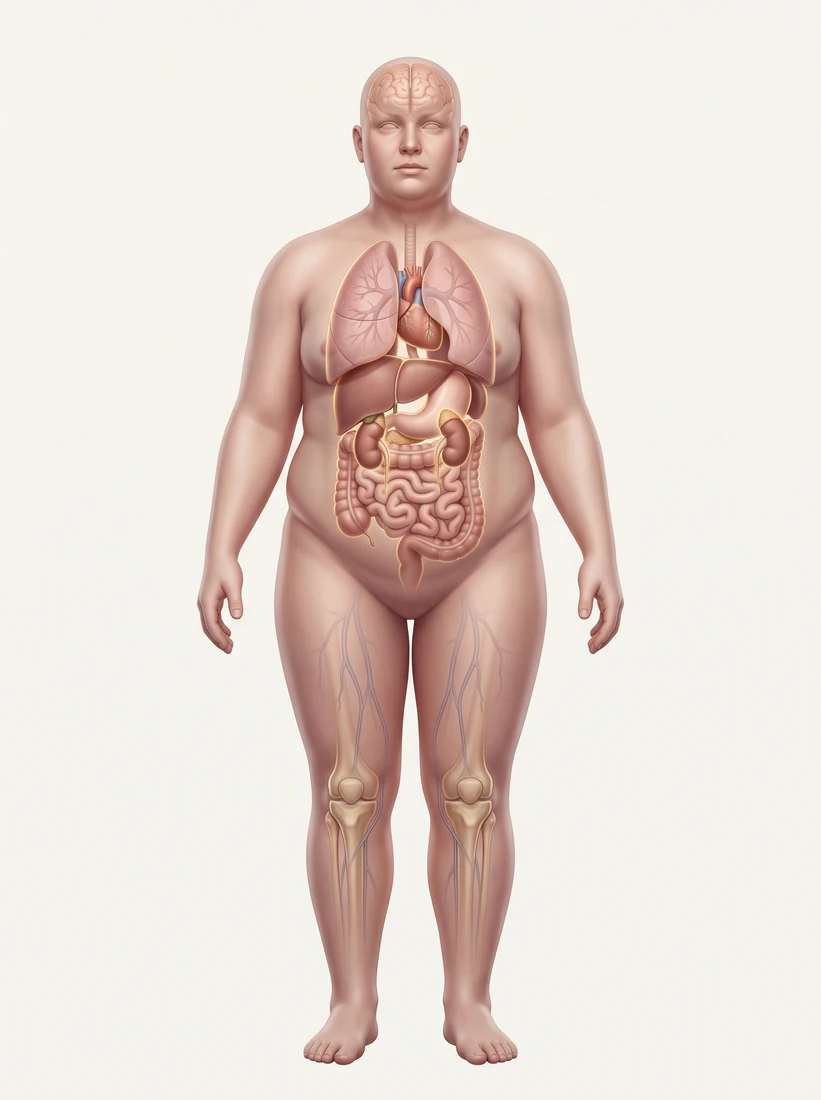
Migraines~4 fewer headache days / mo
High blood pressure79% impr · 62% remission
Asthma~58% in remission
Cardiovascular disease~33% fewer events
Fatty liver (NASH)84% resolved
PCOS~46% to ~7% prevalence
Joint & arthritis pain~65% improved
High cholesterol~70% improved
Sleep apnea~84% improved or resolved
Metabolic syndromeup to 80% resolved
Type 2 diabetes86% impr · 77% remission
Stress incontinence~55% cured
Venous stasis ulcers~90% healed
~40% reductionin long-term risk of death
Pooled/representative figures across bariatric procedures; strongest for gastric bypass and duodenal switch, greatest in the first years, and can lessen over time. Individual results vary. Sources: Buchwald JAMA 2004; Bond Neurology 2011 (headache days); Lassailly 2020 & Lee 2019; King JAMA 2016 (improvement, not cure); Skubleny 2016; Alomar 2021; Purwar 2019; Sugerman 2001; Sjöström JAMA 2012; Adams 2007; Osorio 2026; Dang 2020.
0%
Excess weight loss, gastric sleeve yr 1*
0%
Excess weight loss, gastric bypass*
0
Board-certified surgeon for your whole journey
0+
5-star patient reviews
*Average excess weight loss varies by procedure and individual; figures reflect published bariatric ranges (Cleveland Clinic / ASMBS). Individual results vary.
Am I a candidate?
Most patients qualify at a BMI of 35 or higher.
You may be a candidate for bariatric surgery if your BMI is 40 or higher; 35 or higher with an obesity-related condition such as type 2 diabetes, sleep apnea or hypertension; or 30 or higher with serious metabolic disease. Final candidacy is always determined after a full medical evaluation.
Quick BMI guide
- BMI ≥ 40Likely a candidate regardless of other conditions.
- 35–39.9Likely a candidate with one obesity-related condition.
- 30–34.9May qualify with serious metabolic disease (e.g. uncontrolled type 2 diabetes).
Calculate my BMI
Results, cost & coverage
Clear answers on weight loss, price and insurance.
01
How much weight will I lose?
Published data shows roughly 65–75% excess weight loss for sleeve and 70–80% for bypass in the first 12–24 months. Individual results vary.
Compare sleeve vs. bypass 02
Transparent pricing
Ask for a written, all-in self-pay quote and we spell out exactly what's included, no surprise bills.
See cost & financing 03
Usually covered by insurance
Most commercial and Medicare plans cover bariatric surgery when criteria are met. Our team handles prior authorization for you.
Check your coverageNot ready for surgery?
Medical weight loss & GLP-1
If your BMI is below the surgical range, or you'd rather start without an operation, Dr. Eduardo also leads a physician-supervised medical weight loss and GLP-1 program, and can transition you to surgery later if it becomes the better fit.
Explore medical weight lossOne foregut surgeon
Severe reflux with obesity?
Gastric bypass is the preferred bariatric procedure for patients with significant GERD, it resolves reflux in most patients while treating obesity. A hiatal hernia found during surgery can be repaired in the same operation. Developed reflux after a gastric sleeve? The same surgeon who understands your anatomy can evaluate and fix it.
Weight loss surgery FAQ
Bariatric surgery questions
Can't find your answer here? Call us at (470) 742-1832 or book a consultation, we'll answer every question before you commit to anything.
Current ASMBS and IFSO guidelines recommend surgery at a BMI of 35 or higher regardless of other conditions, and consider it at a BMI of 30 to 34.9 with metabolic disease such as type 2 diabetes. These 2022 guidelines replaced the 1991 NIH criteria. Many commercial plans continue to use older coverage thresholds such as a BMI of 40 or higher, or 35 or higher with an obesity-related condition. Traditional Medicare is different: it requires a BMI of 35 or higher, at least one obesity-related condition, and documented prior unsuccessful medical treatment for obesity. Clinical eligibility and insurance coverage are not the same question, and we check both. However, candidacy is determined on an individual basis after a full medical evaluation, psychological assessment, and nutritional consultation. The best way to find out is to schedule a consultation with Dr. Eduardo.
The gastric sleeve (vertical sleeve gastrectomy) removes approximately 80% of the stomach to reduce hunger hormones and limit intake; it is the most commonly performed bariatric procedure in the U.S. Gastric bypass (Roux-en-Y) creates a small stomach pouch and reroutes the intestine, producing stronger metabolic effects and superior results for severe acid reflux and type 2 diabetes. Dr. Eduardo will recommend the most appropriate procedure after reviewing your complete medical history.
Most major commercial insurance plans and Medicare cover bariatric surgery when you meet medical criteria. Our team handles pre-authorizations, letters of medical necessity, and insurance paperwork on your behalf. Use our insurance verification form to get started, or call our office and we'll check your coverage same day.
Results vary by procedure and individual. On average: gastric sleeve patients lose 60–70% of excess body weight in the first year; gastric bypass patients lose 70–80%. Long-term success is strongly supported by our nutrition follow-up program and patient support community. Dr. Eduardo will give you personalized expectations at your consultation.
Most patients are discharged the day after surgery. The majority return to desk work within 1–2 weeks and resume full activity by 4–6 weeks. Because we use minimally invasive laparoscopic and robotic techniques, incisions are small and post-operative pain is typically well-controlled.
Bariatric surgery is major surgery and carries risks, including bleeding, infection, leaks, blood clots, and nutritional deficiencies. The risk of death is about 0.1%, and the risk of any complication is about 4%, varying by procedure and by your own health (ASMBS, 2025). Dr. Eduardo will walk you through the specific risk profile of each procedure during your consultation so you can make a fully informed decision.
Yes. All bariatric patients follow a staged diet (liquids, pureed foods, soft foods, and finally solid foods) over the first 6–8 weeks. Long-term, you will need to prioritize protein, stay well-hydrated, and take lifelong vitamin supplements. The nutritionists we work with provide individualized guidance from your first visit through every follow-up.
Some weight regain is possible, especially without ongoing lifestyle support. If significant regain occurs, revisional bariatric surgery (such as a sleeve-to-bypass conversion) may be an option. Dr. Eduardo specializes in revisional procedures and will evaluate your specific situation to determine the safest, most effective next step.
Your surgeon
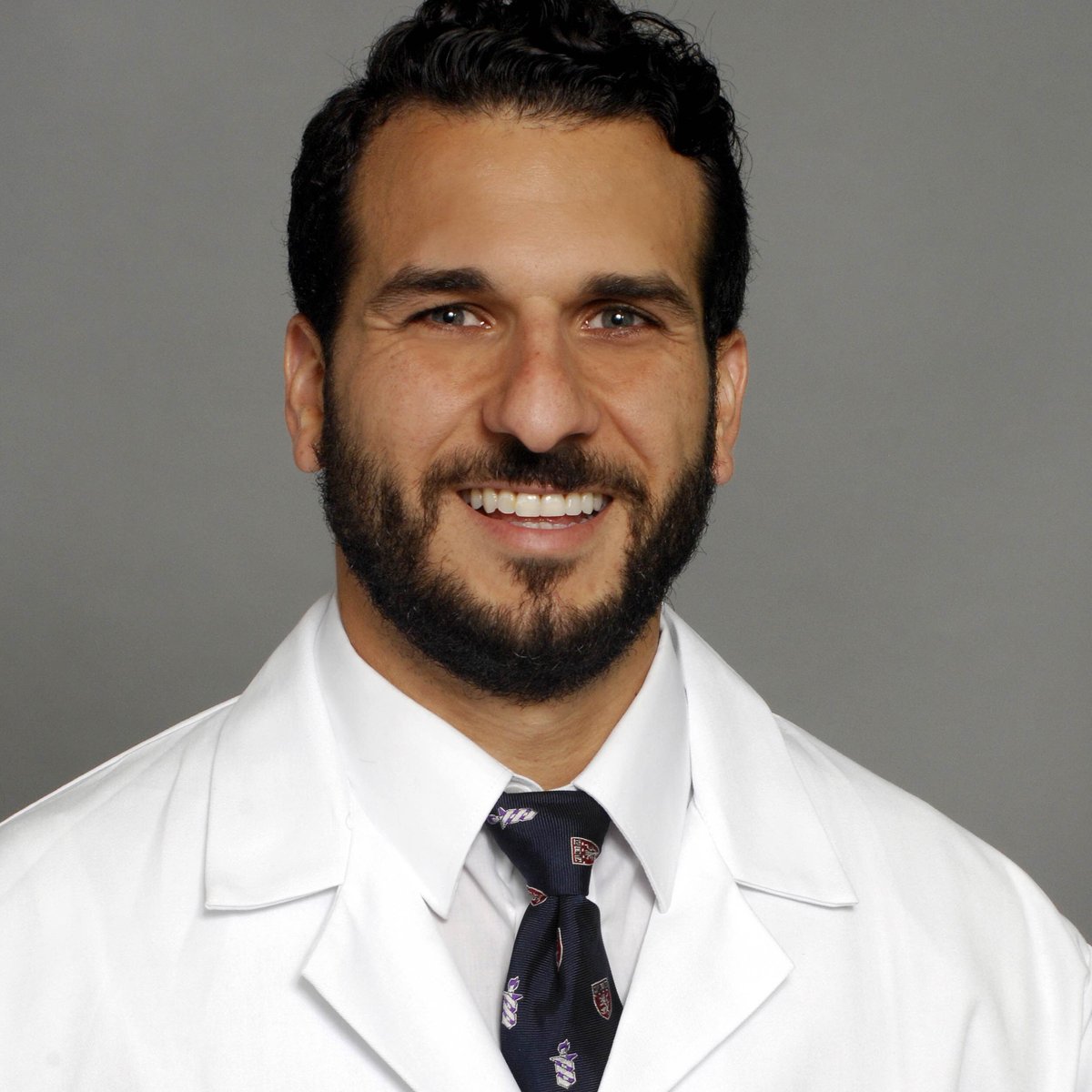
Dr. Roger Eduardo, MD
Board-Certified Bariatric & General Surgeon
Fellowship-trained at Cleveland Clinic Florida and board-certified in general surgery, Dr. Eduardo's bariatric expertise spans sleeve gastrectomy, gastric bypass, SADI-S and duodenal switch, and revisional surgery, performed with advanced laparoscopic and da Vinci robotic technique. His philosophy: one practice, one surgeon, every step.
Meet Dr. EduardoNot ready to book yet?
Start with the free version
Two ways to get real answers before you commit to a consultation. Neither one costs anything, and neither one puts you on a sales track.
Free seminar
Hear it from the surgeon
Dr. Eduardo presents the procedures, the real outcomes and how insurance works, then answers questions live. Bring your spouse. Spanish-language sessions available.
Reserve a seat →Free guide, 6 pages
The written version
The four procedures compared, surgery versus GLP-1 with cited figures, what to ask your insurer, and twelve questions to bring to any consultation.
Download the guide →Service area
Serving south metro Atlanta
Also serving west Georgia and the wider south metro, an easy highway drive from Newnan:
Patient Stories
Patients who made the leap.
Real results from real patients who chose to invest in a permanent solution.
“My experience with Dr. Roger Eduardo has been truly life-changing. From my very first appointment, he demonstrated exceptional professionalism, kindness, and a deep level of knowledge about bariatric surgery.”
“Dr. Eduardo is friendly, professional, and explained the entire process of surgery and recovery. He and his staff prepared a manual with everything I needed from pre-op through six weeks out. I would recommend him to anyone considering bariatric surgery.”
“My weight-loss surgeon Dr. Eduardo is exceptionally the best. From the very first consultation, I knew I was in the hands of someone exceptional. The expertise, compassion, and genuine care were there from day one.”
Read more patient reviews on Google
Continuity of care
The physician you choose is the physician who stays involved.
One physician
Dr. Eduardo evaluates you, builds the plan, performs the procedure and sees you afterwards. Not a coordinator, not a rotating provider, not whoever is covering that week.
One connected practice
Medical weight loss, bariatric surgery, reflux, hernias and vein care do not live in separate silos here. When one problem turns out to be caused by another, nobody has to be referred out to find that out.
No revolving door
Your care is not handed between a visiting surgeon, a franchise program and a call centre in another state. The same person is accountable at the start and at the end.
Risk, stated plainly
Effective surgery deserves an honest discussion of risk.
Modern metabolic and bariatric surgery is safe by the standards of major abdominal surgery, but it is still major surgery. Across contemporary bariatric care the risk of death is approximately 0.1%, and the risk of any complication is approximately 4%, varying by operation, by your own health and by the experience of the centre. Sleeve gastrectomy and gastric bypass do not carry identical risk, and neither figure should be generalised from one operation to the other.
Your individual risk is reviewed before any operation is recommended, and you will hear it in numbers rather than in reassurance.
Source: ASMBS Metabolic and Bariatric Surgery Fact Sheet, 2025.
Start your journey
Ready to find out if surgery is right for you?
Book a consultation with Dr. Eduardo for an objective evaluation and a straight recommendation: sleeve, bypass, SADI-S or revision.